Sprinkler collars protect pop-up irrigation heads from mower damage and grass overgrowth. Here’s what they are, which types hold up, and how to install them.
⏱ 9 min read · Last updated September 2026
Ken Kwiatkowski
Founder of GRASSHOLE Corporation & inventor of the Sprinkler-Guard
Veteran. Florida homeowner who got tired of replacing the same broken sprinkler heads every season. Featured by Kevin Harrington (from Shark Tank). Recipient of the JMI 30 Award. Manufactures in Bradenton, Florida.
Full disclosure: GRASSHOLE Corporation manufactures the Sprinkler-Guard discussed in this guide. Our recommendations come from years of field testing and customer feedback.
Table of Contents
A sprinkler collar is a ring or guard placed around a pop-up irrigation head that sits at ground level in your lawn. It protects the head from lawn mower wheels, string trimmer line, foot traffic, and grass overgrowth. Most collars are made from concrete or flexible plastic. The right one keeps your heads aligned and extends the time between repair calls.
If you’ve ever heard that crunch sound while mowing — the one that stops your heart a little — you already know why sprinkler collars exist. Professional head replacement runs $59 to $150 per head according to LawnLove, and most homeowners with in-ground systems deal with it more than once a season. A collar sits between your sprinkler and all that daily lawn traffic.
Here’s what you need to know: what they are, which types exist, and which one actually holds up.
What Is a Sprinkler Collar?
A sprinkler collar fits around the base of a pop-up sprinkler head — the part that sits flush with the soil surface when the system isn’t running. The collar sits at ground level, creating a protective buffer zone around the head.
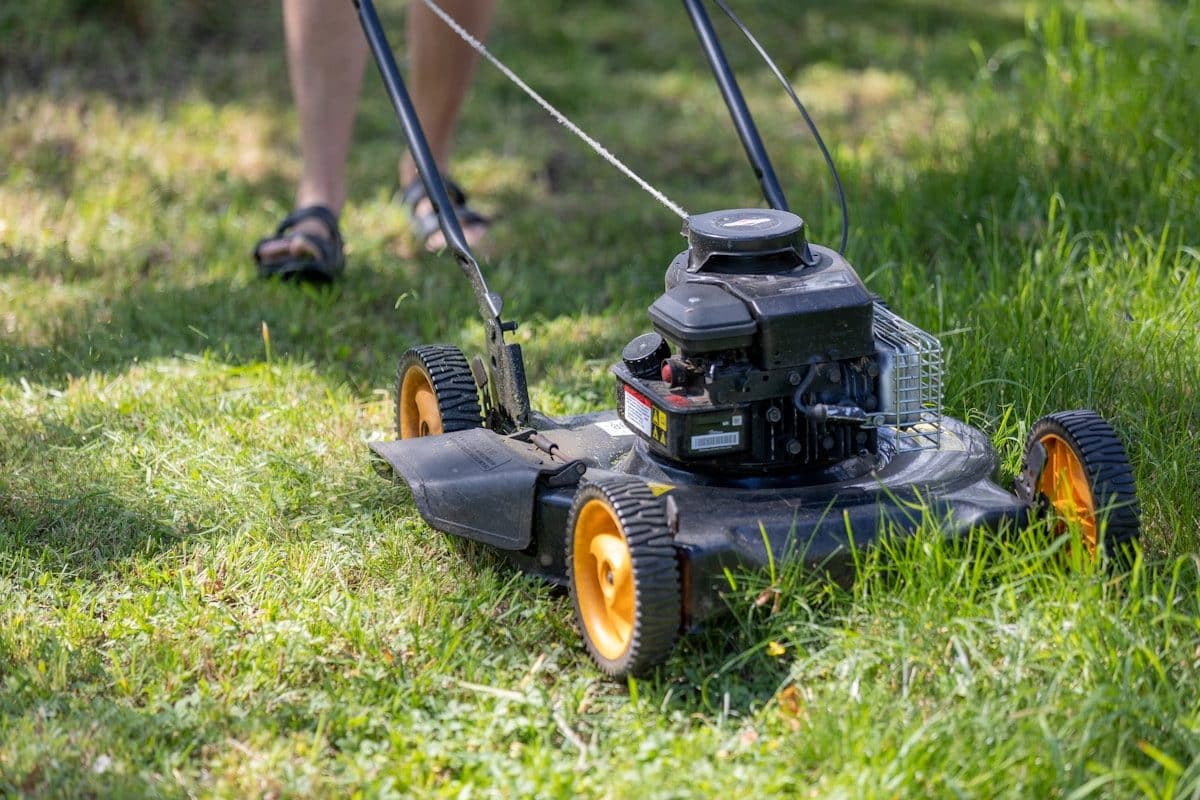
The idea is simple. When your mower wheel rolls over that area, it contacts the collar first. The collar absorbs or deflects the impact, and the sprinkler head underneath stays in position. Same principle with a string trimmer — the collar gives the line something to hit that isn’t the cap.
Collars also slow down grass and weed overgrowth. When St. Augustine or Bermuda creeps right up to the edge of a pop-up head, the head struggles to extend fully and the spray pattern gets deflected sideways. A collar creates a small cleared zone that keeps the head visible and operational.
Some people call them sprinkler donuts, sprinkler rings, sprinkler guards, or sprinkler protectors. Same job, different names. For this post we’re using “collar” — it describes what it does most accurately.
Why Sprinkler Heads Actually Need Protection
Most homeowners don’t think much about their irrigation heads until one stops working. Here’s what’s hitting them on a normal mowing week.
Lawn Mowers Are the Main Culprit
Per Texas Rainmakers, lawn mowers are the number one cause of broken and cracked sprinkler heads, alongside foot traffic, pets, and vehicle tires. The damage happens two ways: direct blade contact when the head pops up at the wrong moment, and wheel pressure when the mower rolls directly over the recessed head.
Even when the head is fully retracted, mower wheels weigh enough to push it out of alignment, crack the riser, or gradually push it deeper into the soil. That’s the slow damage you don’t notice until one zone suddenly sprays sideways instead of up.
String Trimmers Are Just as Dangerous
If the mower doesn’t get the head, the trimmer often does. The line spins at high RPMs and snaps directly against the plastic cap when you edge close to the head. Most residential pop-up heads aren’t built to absorb repeated trimmer hits without cracking.
A collar stops the line before it contacts the head. This alone prevents the most common repair call of the season for most homeowners.
Grass Overgrowth Blocks the Spray
St. Augustine, Bermuda, and centipede grasses all grow low and dense. Without protection, these grasses creep right up to and over the sprinkler head within a few weeks. The head tries to pop up, hits the grass mat, and either stays partially depressed or sprays at an angle.
You end up with dry patches, overwatering in other spots, and a head that appears to be broken when it’s actually just blocked. Our full guide on stopping grass from growing over sprinkler heads covers this in detail — the collar is the long-term answer.
The Three Types of Sprinkler Collars
Not all collars are the same. Here’s what you’re choosing between.
Concrete Donuts (the Original)
Concrete donuts were the first widely available collar option. You set a pre-cast concrete ring into the soil around the head. They’re heavy and they stay put — initially.
The problems are well documented. SprinklerBuddy’s irrigation professionals note that concrete donuts sink into the ground over time, get covered by grass, and render themselves useless. Their weight accelerates soil settlement around the head. In cold climates they crack when frozen. In Florida’s sandy soil, they sink fast. They work briefly but rarely hold up through a full season without sinking or cracking.
Generic Plastic Rings
The home-improvement-store version is typically a simple plastic ring you push into the ground. Inexpensive and easy to install, they help with grass overgrowth but don’t hold up well against mower impact because the wall is too thin and brittle.
Most snap under direct wheel pressure from a heavier mower or zero-turn. Better than nothing, but not by much when the mower is the main problem.
Flexible ABS Collars (What Actually Works)
The third option is a flexible ABS plastic collar engineered to absorb impact rather than crack under it. The key difference from a generic ring: wall thickness, material flex, and how the collar handles load.
A well-designed flexible collar doesn’t resist the mower wheel rigidly — it gives slightly, distributes the force, and returns to shape. Concrete and brittle plastic both fail by cracking or breaking apart. Flexible ABS absorbs the hit.
| Collar Type | Material | Handles Mower Impact | Resists Grass Overgrowth | Sinks Over Time |
|---|---|---|---|---|
| Concrete donut | Concrete | Poor (cracks) | Moderate | Yes — quickly |
| Generic plastic ring | Brittle plastic | Poor (snaps) | Moderate | Minimal |
| Flexible ABS collar | Flexible ABS | Good (absorbs) | Yes | Minimal |
| DIY PVC pipe section | Rigid PVC | Poor (rigid/sharp) | Moderate | Minimal |
The concrete donut problem isn’t that the idea is wrong — it’s that the material fights the soil instead of working with it. A collar that sinks becomes a buried obstacle rather than a protector.
How to Install a Sprinkler Collar (Step-by-Step)
Total time needed: about 6 minutes.
- Step 1: Clear the Area Around the Head
Before you start, trim any grass or weeds right at the perimeter of the sprinkler head cap. You want clean soil visible around the base. If the head is already partially buried or tilted, straighten it now — the collar will lock it at whatever position it's sitting in.
- Step 2: Place the Collar Around the Head
Slide or press the collar over the head. The inside opening should fit snugly around the base of the pop-up without forcing it. A properly sized collar drops into place and sits flush or just above the soil surface. No digging required for most standard pop-up installations.
- Step 3: Press Flush and Test the Zone
Press the collar gently until it's stable and doesn't rock. Then run the zone for a minute and watch the head pop up through the collar opening. The spray pattern should be clean and unobstructed. If the head catches on the inner edge, the head is likely set too deep — raise the head first, then refit the collar.
What a Sprinkler Collar Actually Costs
The math here is straightforward once you’ve paid for a service call.
| Scenario | 1-Year Cost | 5-Year Cost |
|---|---|---|
| No collar (pro repair when a head breaks) | $59-$150 per head per call | Adds up quickly with regular mowing season |
| Generic plastic rings (20 heads) | Under $20 to start | Ongoing as rings snap and need replacing |
| Sprinkler-Guard 20-pack (flexible ABS) | $125 one-time | $125 — most hold up through many seasons |
Repair cost range per LawnLove and HomeGuide. The 20-pack at $125 breaks down to $6.25 per head — less than the minimum labor charge for a single service call.
The Sprinkler-Guard: A Collar Built for Real Lawns
The Sprinkler-Guard by GRASSHOLE is made from Flexible Advance ABS with UV Deterrent, fits any pop-up head up to 3 inches, and installs in 30 seconds with no tools.
What sets it apart from the generic rings: the wall profile is engineered to absorb mower and trimmer impacts without snapping. The 7-inch outer diameter creates enough clearance to keep Bermuda and St. Augustine from creeping back over the head, and the 3.5-inch inner opening gives standard pop-up heads full room to extend without obstruction.
It’s also easy to cut to shape for tight installations near a bed edge or walkway. If one collar takes a direct hit that’s too much for it, you swap just that one out — the individual-piece design means you’re never replacing the whole yard.
Available in 10-pack ($64.99), 20-pack ($125), 30-pack ($180), and 60-pack ($350). Most yards do well with the 20-pack at Sprinkler-Guard.com — that’s $6.25 per head.
Veteran-Owned, Made in USA, Patented design. 500+ five-star ratings on Amazon.
Want a closer look at how the Sprinkler-Guard stacks up against concrete donuts and other options? Our full breakdown covers the best sprinkler head protectors ranked.
Frequently Asked Questions
**They're different names for the same general category.** Concrete sprinkler donuts are the original version — a heavy ring pressed into the soil around a head. Modern collars include flexible plastic and ABS versions that handle impact better and resist sinking. Most people searching "sprinkler collar" today want the plastic version, not concrete.
**No — if the collar is sized correctly.** A collar with the right inner opening leaves full clearance for the head to extend and spray normally. If the head catches on the collar's inner edge, the head is usually set too deep in the soil — raising the head resolves it. The collar itself isn't the issue.
**One per active pop-up head.** Focus first on heads near mowing paths, trimming edges, and areas where grass grows fastest. Most residential systems have enough heads that a 20-pack or 30-pack covers the main zones. If you're not sure how many heads you have, our post on [how to find hidden sprinkler heads](https://grassholesystem.com/find-hidden-sprinkler-heads/) walks through locating every head before you order.
**Yes.** The standard Sprinkler-Guard collar fits any pop-up head up to 3 inches wide — that covers most Rain Bird and Hunter residential spray heads. For larger rotors, you'd look at the 5-inch version. The measurement that matters is the head's widest diameter at the base when it's retracted; if it's 3 inches or under, the standard collar fits.
**Yes, by a wide margin.** A single professional head replacement runs $59 to $150 per head per [LawnLove](https://lawnlove.com/blog/sprinkler-repair-cost/). A 20-pack of quality collars costs $125 total. If it prevents two repair calls in the first two years, the investment has paid for itself with money to spare. The math is simple once you've experienced a service call.
**In most Sun Belt climates, no.** The collar stays in place year-round. In areas that see hard freezes, some homeowners pull them before winterization so the freeze-thaw cycle doesn't shift the soil around the head. The collar reinstalls in 30 seconds in spring. For Florida and the Southeast — the primary Sprinkler-Guard market — leaving them in year-round is standard.
**Different product, different job.** A collar goes around the base of the head and stays there year-round to protect against mower and trimmer impacts. A cap snaps over the top of the head for off-season protection when the system isn't running. The two can be used together — the collar protects the base, the cap protects the top of the head during downtime. For more on sprinkler head repair costs that both products help you avoid, see our [sprinkler head repair cost breakdown](https://grassholesystem.com/sprinkler-head-repair-cost/).
The Bottom Line
If your heads keep getting hit, the answer isn’t to mow more carefully around each one. It’s to give each head a collar that takes the hit for it.
Concrete donuts had the right idea but the wrong material. Generic plastic rings are better than nothing but snap under real load. A flexible ABS collar holds up because it’s designed to absorb the impact instead of crack under it.
For yards where heads also keep sinking below grade, the collar addresses part of that problem too — see our full post on why sprinkler heads keep sinking for the complete fix.
One 20-pack from Sprinkler-Guard.com. 30 seconds per head. Most yards done in an afternoon.
Not sure? The Sprinkler-Guard ships in 10/20/30/60-packs. If one ever takes too much abuse, you swap just that one in 30 seconds — no full system to replace.
Shop Sprinkler-Guard
- Starting at $64.99 for a 10-pack
- Free shipping on orders over $100
- 500+ five-star ratings from homeowners on Amazon
- Made in the USA by a Veteran-Owned Business in Bradenton, Florida
- Patented design — featured by Kevin Harrington (from Shark Tank)
- No tools required — installs in 30 seconds per head
- One-by-one swap design — if a guard takes too much abuse, swap just that one
Last updated: September 2026. Statistics sourced from EPA WaterSense, Johns Hopkins Medicine, LawnStarter, LawnLove, HomeGuide, IBISWorld. Product specifications and pricing current as of publication date.