Know which Toro sprinkler head type you have, why they get damaged, and the right guard size to keep each one protected through mowing season.
⏱ 10 min read · Last updated October 2026
Ken Kwiatkowski
Founder of GRASSHOLE Corporation & inventor of the Sprinkler-Guard
Veteran. Florida homeowner who got tired of replacing the same broken sprinkler heads every season. Featured by Kevin Harrington (from Shark Tank). Recipient of the JMI 30 Award. Manufactures in Bradenton, Florida.
Full disclosure: GRASSHOLE Corporation manufactures the Sprinkler-Guard discussed in this guide. Our recommendations come from years of field testing and customer feedback.
Table of Contents
Toro sprinkler heads are standard in Sun Belt residential yards, but the brand name doesn’t protect them from lawn mowers or trimmers. The 570 series spray heads and T-Series rotors face the same damage risks as any other manufacturer. Knowing which type you have and which guard size it needs stops repeat service calls before they start.
If your home has an in-ground irrigation system installed in the last decade or two, there’s a good chance you have Toro heads somewhere in the mix. Toro has been making residential irrigation equipment for decades, and the 570 series spray head in particular shows up in Florida and Texas yards constantly.
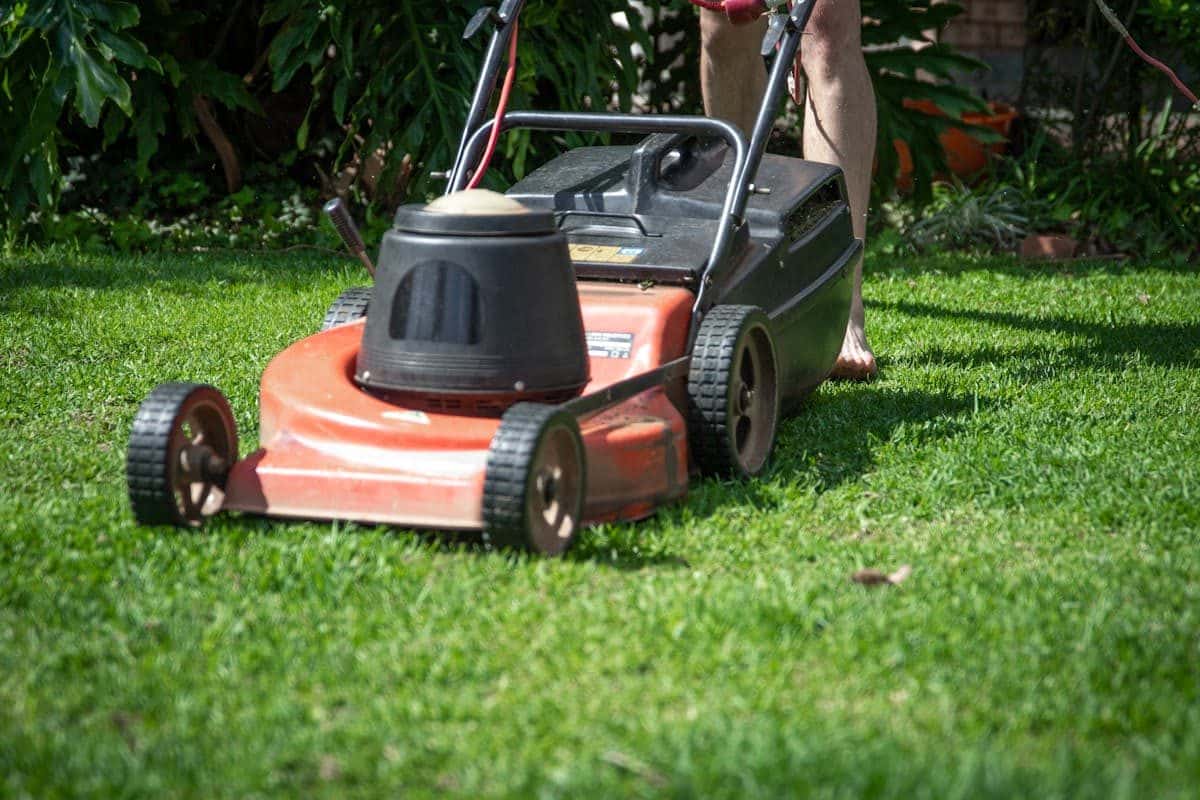
Most of the year those heads work invisibly. They pop up on schedule, water their zones, retract, and disappear below grade. The problem starts when mowing season overlaps with that routine. According to Texas Rainmakers and other irrigation professionals, lawn mowers are the number one cause of broken and cracked sprinkler heads. The housing is built for water pressure and soil contact, not a mower wheel rolling over the top of it at walking speed.
Professional replacement runs $59 to $150 per head according to LawnLove. Most yards have 12 to 25 heads across multiple zones. If you’ve replaced the same heads more than once in a season, the repair cost has already passed the cost of protecting them.
The Most Common Toro Heads in Residential Yards
Before you can protect your Toro heads, you need to know which type you have. The housing size determines the guard size, and the wrong size means the head isn’t covered where damage actually happens.
Toro 570 Series (Spray Heads)
The 570 series is the most common Toro pop-up spray head in residential use. When the system is off it sits flush with the ground. When a zone runs it pops up, sprays a fixed arc pattern, then retracts. Pop-up heights range from 2 to 6 inches depending on the version installed.
This is the head that takes the most mower damage. The housing sits at grade when retracted. A mower wheel rolling across a slightly raised 570 body pushes the housing sideways and stresses the riser connection beneath it. A direct hit from a blade edge cracks the cap straight through.
The 570 series also includes a pressure-regulating version (570Z PRS) that holds a consistent spray pressure regardless of system fluctuations. Same housing dimensions, same mower vulnerability.
Toro PRECISION Series (Rotating Nozzles)
The PRECISION Series is a rotating nozzle that screws onto a standard 570 body or most other residential spray bodies. Instead of a fixed spray arc, it delivers multiple slow-rotating streams at a lower application rate than a fixed nozzle. You can spot one by the circular pattern on the nozzle cap and the slow rotation when the zone runs.
Because the PRECISION nozzle mounts on the same 570 body, the damage risk at ground level is identical. The nozzle mechanism itself can also be damaged by a direct trimmer strike even if the housing below it survives.
Toro T-Series Rotors
Toro T-Series rotors (T5, T7, T10) are gear-driven rotary heads designed for medium to large lawn zones. They’re taller and wider than the 570 spray heads, popping up 3 to 4 inches and sweeping slowly through an adjustable arc to cover a wider radius. You’ll find these in side yards with long runs or larger back lawns where fixed spray heads can’t reach the outer edges.
T-Series rotors sit higher and wider than the 570 body, which makes them easier to spot during a zone walk but also more exposed when grass grows tall around them. Heavy turf growth can prevent the head from fully extending, which cuts coverage and puts extra back-pressure on the riser. That’s the same problem detailed in the guide on grass growing over sprinkler heads.
| Head Type | Pop-up Height | Arc | Best For | Guard Size |
|---|---|---|---|---|
| 570 Spray | 2-6 in | Fixed | Small to medium zones, beds, tight spaces | Standard 3-inch guard |
| PRECISION Series | 2-6 in (body) | Slow-rotating multi-stream | Water-efficient coverage on standard spray body | Standard 3-inch guard |
| T5/T7/T10 Rotor | 3-4 in | 40-360 adjustable | Large lawns, long runs | 5-inch guard |
Measure straight across the widest point of the housing while the system is off and the head is retracted. Three inches or smaller takes the standard Sprinkler-Guard. Larger T-Series rotors need the 5-inch version.
Why Toro Heads Get Damaged
The causes of sprinkler head damage follow the same pattern regardless of brand. The housing material and design vary, but the threats at ground level don’t.
Lawn Mower Impact
Mowers are the leading cause of cracked and broken sprinkler heads. The 570 series housing can handle water pressure and normal soil contact, but a mower wheel crossing a slightly elevated head carries enough force to snap the cap or push the riser connection out of alignment.
Zero-turn mowers add a specific risk. The turning arc swings the deck across areas the operator may not be watching closely, and a 570 head near a bed edge or a hard corner along the driveway is easy to miss on the turn.
String Trimmer Strikes
Toro 570 heads near sidewalks and driveways take the most trimmer damage. The line catches the edge of the cap during cleanup passes along a concrete edge. Even a glancing blow at trimmer speed can crack the nozzle cap or knock a PRECISION nozzle loose inside the body. If the cap cracks but holds in place, it typically leaks at the joint until someone notices a wet spot in that zone.
Soil Settling and Sinking
Soil compacts over time. The head settles below grade. Once the housing top drops more than half an inch below the surrounding turf, two things happen: the mower passes directly over it without the operator realizing it, and grass starts growing into the opening around the pop-up body. Both accelerate damage. The full picture on that process is in the post on sprinkler heads that keep sinking.
Foot Traffic and Pets
Heads near side-yard gates, garden paths, or any spot where a dog runs a consistent route fail earlier than heads in low-traffic areas. Repeated compression drives the housing deeper into the soil and stresses the riser connection beneath.
What a Damaged Toro Head Actually Costs
A broken head isn’t just a repair bill. According to EPA WaterSense, a single broken sprinkler head can waste up to 25,000 gallons of water per year. That waste runs through every watering cycle until the head gets replaced. Most homeowners don’t notice until the water bill climbs or the lawn starts showing dry patches in one zone.
A single broken sprinkler head can waste up to 25,000 gallons of water per year. Most homeowners don’t notice until the water bill climbs or dry patches start showing up.
— per EPA WaterSense
What Repair Actually Costs
| Situation | What You Pay | Source |
|---|---|---|
| Cracked 570 housing (pro repair) | $59 to $150 per head | LawnLove, HomeGuide |
| Knocked out of alignment (tech hourly) | $50 to $120 per hour | Angi |
| Full visit with multiple heads replaced | $130 to $275 per visit | HomeGuide |
| DIY 570 body swap (parts only) | $3 to $30 per head | LawnStarter |
The 5-Year View
| Approach | Year 1 Cost | 5-Year Cost |
|---|---|---|
| Sprinkler-Guard 20-pack (full yard) | $125 one-time | $125 |
| One pro service call per season | $59 to $150 per head | $295 to $750 or more |
| DIY parts only, no protection | $3 to $30 per swap | $15 to $150 plus your time each season |
The math isn’t complicated. A 20-pack covers the average residential yard once. A single pro service call for one broken 570 head costs more than half the 20-pack price.
How to Protect Your Toro Sprinkler Heads
Protecting Toro heads doesn’t require special tools or an irrigation tech. Here’s the direct approach.
Step 1: Walk Each Zone and Identify Your Heads
Run each zone for 30 seconds. Watch what pops up and where. Mark any head that sits noticeably below grade or shows cracking on the cap. Those heads may need to be reset or replaced before installing a guard.
For Toro 570 spray heads, measure straight across the widest point of the housing while retracted. Three inches or smaller takes the standard Sprinkler-Guard. T-Series rotors and other large-bodied heads need the 5-inch version.
Step 2: Install a Sprinkler-Guard Around Each Head
The Sprinkler-Guard is made from Flexible Advance ABS with UV Deterrent and seats into the soil around the base of the head in about 30 seconds. No tools needed. The flat ring sits at grade and absorbs mower and trimmer impact so that force never reaches the 570 housing or the riser connection beneath it.
When the system runs, the head pops up through the open center of the guard and operates normally. When the zone shuts off, the head retracts and the guard stays in place at grade.
Step 3: Confirm Head Height After Installing
After placing the guard, confirm that the top of the 570 head sits flush with or slightly below the top of the guard’s inner ring. If the head is sunken more than half an inch, add a little soil around the base or have a tech reset the riser height first. A properly seated head means the mower passes over without making contact.
Does Sprinkler-Guard Fit Toro Heads?
Yes. The standard Sprinkler-Guard fits pop-up spray heads up to 3 inches wide, which covers the Toro 570 series and any PRECISION Series nozzles mounted on a standard spray body. The 5-inch Sprinkler-Guard fits Toro T-Series rotors and other large residential rotor heads.
The guard seats around the base of the head rather than over the nozzle. It doesn’t interfere with the pop-up mechanism, the spray arc, or the rotation on T-Series rotors. The head operates exactly as it did before, with the housing protected at grade level where mower contact actually happens.
For a full comparison of protection options across materials and brands, the guide on protecting sprinkler heads from lawn mowers covers everything. If your yard also has Hunter heads, the guide on Hunter sprinkler heads walks through the same identification and protection approach for that brand.
Shop Sprinkler-Guard at Sprinkler-Guard.com
Frequently Asked Questions
Yes — the standard Sprinkler-Guard fits pop-up spray heads up to 3 inches wide, which covers the Toro 570 series and PRECISION Series nozzles on a standard 570 body. Measure across the widest point of the housing while the head is retracted. For Toro T-Series rotors and other larger heads, use the 5-inch Sprinkler-Guard.
Professional replacement runs $59 to $150 per head, according to LawnLove and HomeGuide. A full service visit with diagnosis, labor, and parts can reach $130 to $275. DIY parts for a Toro 570 body run $3 to $30 depending on the model. Protecting each head costs less than one repair.
Look at the housing size and what it does when a zone runs. The 570 series is the most common in residential yards — flat or slightly domed cap, sits flush at grade, pops up 2 to 6 inches. If the nozzle rotates slowly with multiple streams, that's a PRECISION Series nozzle on a 570 body. If the head is larger, pops up 3 to 4 inches, and sweeps in an arc rather than spraying a fixed pattern, it's likely a T-Series rotor.
Watch it during a watering cycle. Signs of a damaged head include: water spraying sideways or in an uneven arc, a head that won't fully retract after the zone shuts off, pooling water in one area with dry patches nearby, a cracked or chipped cap visible at grade, and a head that wobbles or spins freely when you press it lightly. Any of these mean the head needs attention before the next mowing session.
No. The guard seats around the base of the housing, not above the nozzle. When the system runs, the head pops up through the center opening and delivers its normal arc. Water flow, throw distance, and rotation on T-Series rotors are not affected.
Use a flat-head screwdriver on the adjustment slot in the nozzle. Turn clockwise to decrease the arc, counter-clockwise to increase it. Toro also makes a rotor tool for T-Series heads that fits the adjustment socket on top of the housing. For T5 and T7 models, the arc is usually set by turning the adjustment cap at the top while the zone is running and water pressure is active.
No technician needed. The guard drops over the head and seats into the soil. The whole process takes about 30 seconds per head and requires no tools. If a head is sunken and needs the riser raised, that step may need a tech, but installing the guard afterward is a straightforward DIY job most homeowners finish in an afternoon.
Yes — Sprinkler-Guard is compatible with Toro, Rain Bird, Hunter, Orbit, and most other residential pop-up spray heads up to 3 inches in diameter. The 5-inch version covers larger rotors across all major brands. If your yard has a mix of Toro and other brands, one 20-pack covers the average yard and fits them all. If your Toro heads keep taking mower damage, that's a protection problem, not a brand problem. The fix is the same regardless of which head you have: a guard seated at grade before the next mowing session. Find the right pack size for your yard at Sprinkler-Guard.com. The 20-pack covers the average residential yard. Free shipping on orders over $100.
Not sure? The Sprinkler-Guard ships in 10/20/30/60-packs. If one ever takes too much abuse, you swap just that one in 30 seconds — no full system to replace.
Shop Sprinkler-Guard
- Starting at $64.99 for a 10-pack
- Free shipping on orders over $100
- 500+ five-star ratings from homeowners on Amazon
- Made in the USA by a Veteran-Owned Business in Bradenton, Florida
- Patented design — featured by Kevin Harrington (from Shark Tank)
- No tools required — installs in 30 seconds per head
- One-by-one swap design — if a guard takes too much abuse, swap just that one
Last updated: October 2026. Statistics sourced from EPA WaterSense, Johns Hopkins Medicine, LawnStarter, LawnLove, HomeGuide, IBISWorld. Product specifications and pricing current as of publication date.