How to Fix Bare Spots in Your Lawn Fast
You know the feeling. You’re walking across your lawn with a cold drink after a long day, and your foot hits it. That ugly patch of dirt where grass should be. No green. Just bare soil staring back at you.
Bare spots happen to everybody. Doesn’t matter if you’ve got the best lawn on the block or you’re just getting started. At some point, you’re going to look out there and see a bald patch that needs fixing.
The good news? Fixing bare spots is one of the easiest lawn repairs you can do. Most patches cost under $15 in materials and take about 20 minutes of actual work. But here’s the catch. If you don’t figure out what caused the bare spot first, you’ll be fixing the same spot again in six weeks.
Why Bare Spots Happen in the First Place
Bare spots don’t just appear out of nowhere. Something killed the grass in that area or prevented it from growing. The five most common causes:
Mower damage. Your mower blade catches a sprinkler head, rips up a chunk of turf, and scalps the soil down to dirt. This happens way more than people realize, especially along edges and near irrigation heads. Check out our guide on how to protect sprinkler heads from mowers.
Pet urine. Dogs pick a favorite spot and hit it every day. The concentrated nitrogen burns the grass right out. You’ll see a dead brown circle with a ring of dark green around it.
Disease. Fungal infections like brown patch and dollar spot can wipe out a section of turf in a week. If you noticed brown spots on your lawn this spring, disease could be the culprit.
Drought from broken sprinklers. This is the sneaky one. A single cracked or misaligned sprinkler head can leave a 10 to 15 foot radius of lawn without any water. Two weeks of spring heat and that section is dead.
Compaction and heavy traffic. That path between the back door and the shed where everyone walks? The soil gets packed so tight that roots can’t grow. The grass thins, then gives up entirely.
How to Diagnose What Caused Your Bare Spot
Before you grab a bag of seed, spend five minutes playing detective. The cause tells you exactly how to fix it and whether your repair will actually stick.
Look at the Shape
Round spots about 6 to 12 inches across with a green ring? That’s dog urine. Every time.
Larger circular or arc-shaped dead zones, maybe 3 to 10 feet across? Check your sprinkler system. Run each zone and watch the heads. If one isn’t popping up, isn’t rotating, or is spraying sideways, that’s your answer. Heads that have sunk below soil level are a common cause people overlook.
Irregular patches with fuzzy or discolored edges? Probably fungal disease. Look for white or gray webbing on the grass blades early in the morning when dew is still present.
Check the Soil
Push a screwdriver into the bare spot. If it goes in easy, your soil is fine. If it feels like you’re pushing into concrete, you’ve got compaction. That has to be fixed before new grass will grow.
Check Your Sprinklers
Turn on the zone that covers the bare area. Watch every head for a full cycle. Are they all popping up? Are they all reaching the bare spot? Is one head spraying the sidewalk instead of the lawn? Fix the head before you fix the grass, or you’ll be right back here next month. Our guide on the best time to water your lawn covers proper irrigation timing that prevents dry spots.
Step-by-Step Bare Spot Repair
Once you know the cause and you’ve fixed it, here’s how to get grass growing again. This works for patches up to about 4 feet across. Anything bigger, consider sod instead of seed.
Step 1: Rake and Clear the Dead Stuff
Use a hard metal rake to pull out all the dead grass, thatch, and debris. Expose bare soil. Really scratch up the surface. You’re creating tiny grooves for seed to settle into. If weeds moved in, pull them out by the roots. All of them.
Step 2: Loosen and Amend the Soil
Use a garden fork or hard rake to loosen the top 2 to 3 inches of soil. If the soil is heavy clay or badly compacted, mix in about half an inch of compost or topsoil. Grass seed sitting on top of hard-packed dirt won’t germinate well. The roots need somewhere to go.
Step 3: Apply Seed (or Lay Sod)
Spread grass seed at about 1.5 times the rate listed on the bag. You’re overseeding a bare spot, not a whole lawn, so you want thicker coverage. Press the seed into the soil with the flat side of the rake or step on it lightly. Seed needs soil contact to germinate.
In a hurry? Cut a piece of sod to fit. It costs more ($0.40 to $0.85 per square foot versus $0.05 for seed) but you’ll have green in a day instead of three weeks.
Step 4: Cover and Protect
Spread a thin layer of straw, peat moss, or compost over the seeded area. About a quarter inch. Keeps moisture in, stops birds from eating the seed, and prevents the soil from crusting over.
Step 5: Water Correctly
New seed needs to stay moist, not soaked. Water the patch lightly 2 to 3 times a day for the first 10 days. About 5 minutes per watering. You want the top inch of soil damp, not muddy. After germination (7 to 21 days), drop to once daily for two weeks, then transition to your normal schedule.
Step 6: Stay Off It
Don’t walk on the new grass for at least 3 to 4 weeks after germination. Don’t mow until it’s at least 3 inches tall. Set your blade one notch higher than normal for the first two cuts. New seedlings are fragile.
💰 What a Bare Spot Really Costs You
- Bag of grass seed: $8 to $15
- Topsoil/compost: $5
- Your Saturday afternoon: priceless
- One broken sprinkler head repair: $75 to $150
- Re-sodding a dead patch (St. Augustine): $200+
Fix the sprinkler head first. Then fix the grass. Otherwise you’ll be back here next month doing it all over again.
Best Grass Seed for Patching by Type
Bermuda Grass
The king of Sun Belt lawns. Use hulled bermuda seed for quickest germination (5 to 10 days). Unhulled takes 14 to 28. Soil temp needs to be at least 65 degrees. A 1-pound bag costs about $8 and covers 400 to 500 square feet.
St. Augustine
St. Augustine doesn’t grow from seed. You need sod plugs or full sod pieces. Cut 4-inch plugs from a healthy area and plant them 6 to 12 inches apart. They’ll fill in within 6 to 8 weeks during the growing season. Plugs run about $12 to $18 for a tray of 18 at most garden centers.
Zoysia
Zoysia is slow. Seed germinates in 14 to 21 days and the patch won’t fully fill for 8 to 12 weeks. Plugs work better. Plant them 6 inches apart and be patient. Zenith and Compadre are the best seed varieties for home lawns ($15 to $25 per pound).
Tall Fescue
Fescue grows in clumps so it doesn’t spread to fill gaps on its own. Seed the entire bare area at 8 to 10 pounds per 1,000 square feet. Germinates fast (7 to 12 days) and establishes quickly in spring and fall. A 3-pound bag costs about $10.
The Sprinkler Head Connection Most People Miss
A homeowner notices a bare spot, patches it perfectly, waters by hand for three weeks, gets beautiful new grass growing, then stops hand-watering because the sprinklers should take over. But the sprinkler head covering that area got clipped by the mower last month. It’s cracked. Or it sank below soil level. Or the nozzle got clogged.
Three weeks later, the new grass is brown again. Same bare spot. Same frustration. Another $15 and another Saturday afternoon wasted.
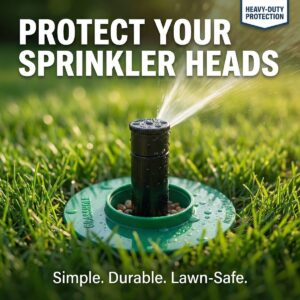
This is exactly the problem Sprinkler-Guard was designed to solve. The flexible ABS plastic protector fits around each sprinkler head and keeps mower blades and trimmer line from making contact, prevents grass from growing over the head, and keeps the head visible so you can spot problems before they kill your lawn.
At about $5 per head, it’s cheaper than a single bag of patch seed. And it prevents the cycle of damage, bare spots, repair, more damage that eats up your weekends all summer. Veteran-owned. Made in the USA. Patented.
Frequently Asked Questions
How long does it take grass seed to fill in a bare spot?
Most grass seed germinates in 7 to 21 days, but full coverage takes longer. Bermuda fills in fastest at 4 to 6 weeks thanks to its runners. Fescue takes about 4 weeks but doesn’t spread, so you need thick seeding. Zoysia is the slowest at 8 to 12 weeks. Consistent watering during the first 3 weeks makes the biggest difference.
Will grass seed grow on hard-packed dirt?
Probably not. Grass seed needs loose soil for the roots to penetrate. If the soil in your bare spot is compacted, loosen the top 2 to 3 inches with a garden fork and mix in some compost before seeding. Skipping this step is the number one reason bare spot repairs fail.
Why does the same bare spot keep coming back?
Recurring bare spots almost always mean the underlying cause hasn’t been fixed. Check three things: is a sprinkler head broken or misaligned, is your dog still using that spot, or is there a soil compaction problem from foot traffic. Fix the root cause and the repair will stick. A Sprinkler-Guard protector eliminates the most common cause of recurring dead spots.
Written by Ken Kwiatkowski, founder of Sprinkler-Guard and U.S. Army veteran. Protecting sprinkler systems since 2019.
Want More Tips Like This?
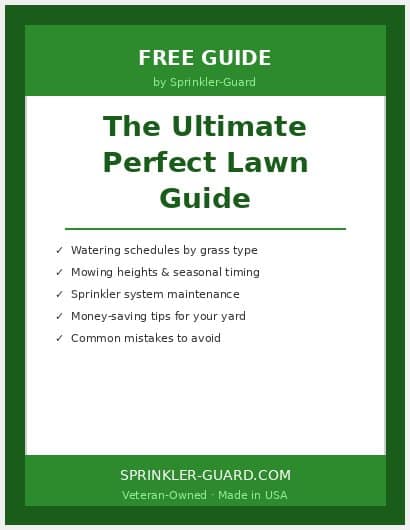
We put together a free guide called The Ultimate Perfect Lawn Guide that covers watering schedules, mowing heights by grass type, seasonal calendars, and the common mistakes that cost you money. No sales pitch, just practical stuff you can use this weekend.
Comment LAWN on our Facebook page to get your free copy.
Sprinkler-Guard. Made in the USA. Veteran-owned. Patented.